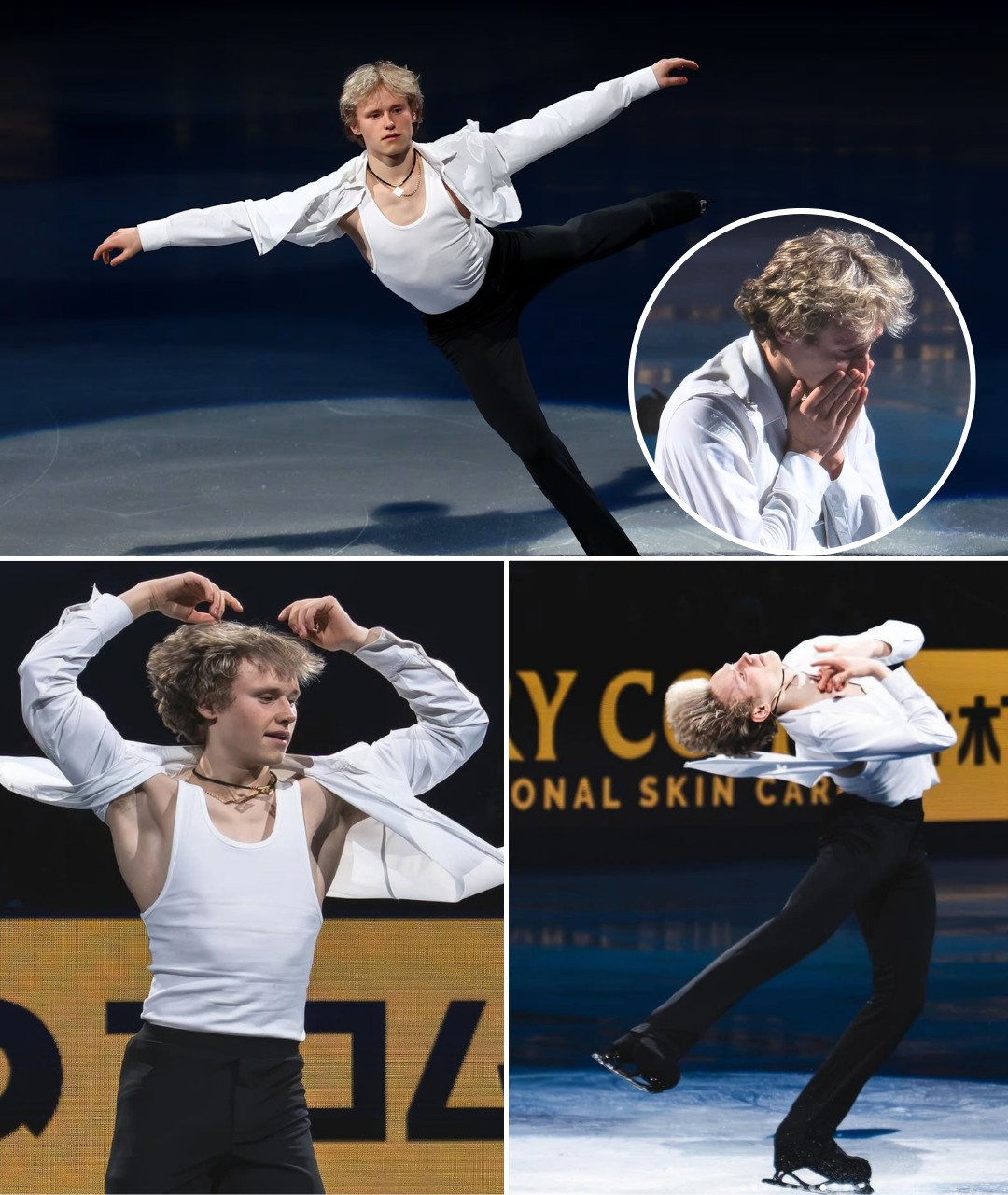

In the world of elite figure skating — where technical mastery and artistic expression intersect — few moments feel as intimate and revealing as a gala exhibition. On November 1, 2025, at the Grand Prix de France in Angers, Ilia Malinin stepped onto the ice not as a competitor chasing points, but as a storyteller ready to share something deeply personal.

The arena, normally charged with the sharp focus of competition, was softened by warm lighting and an expectant hush. When Malinin’s music began, there was a different kind of tension — not about landing a jump, but about connecting, breathing into the moment, and letting years of training and pressure find calm in motion.
From the first glide, his performance felt not like a routine but a conversation. Blending fluid lines with dynamic transitions, Malinin’s exhibition showcased the blend of technical precision and soulful artistry that has become his signature. What drew audiences most wasn’t just the difficulty of his elements — it was the way he used them to shape emotion. Each turn, each edge, seemed to carry a sense of reflection, as though he were summoning both his past challenges and future possibilities in every movement.
Spectators responded with roaring applause and standing ovations at moments where, in competition, judges might withhold extra points. For many, this was figure skating at its purest — free from scorecards and rules, elevated by the courage to skate from the heart.
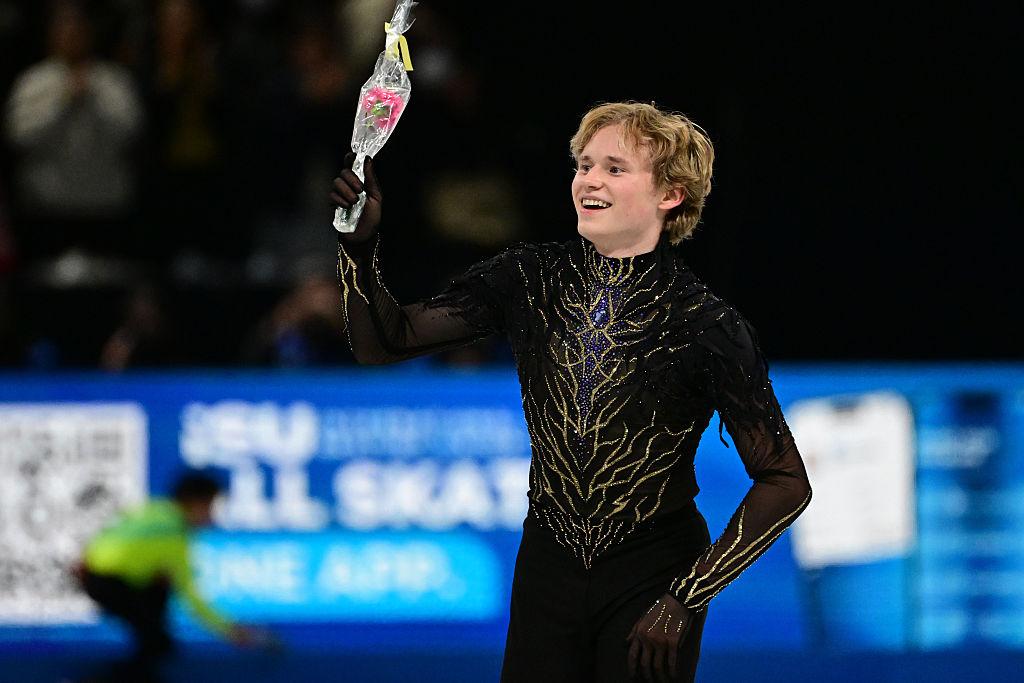
Backstage, Malinin spoke about what the gala meant to him: a chance to step away from the scrutiny of results and simply be present in his craft. “Competitions test what you can do,” he said. “Galas test why you do it.”
That sentiment resonated deeply with fans who packed the arena that night and countless viewers tuning in from around the globe. The performance wasn’t just crowd-pleasing — it was crowd-captivating. It reminded everyone that skating, at its core, is about expression as much as execution.
As he took his final bow — a soft exhale, a quiet smile, and eyes that held both satisfaction and longing — the audience sensed something profound: a young athlete in full command of his talent, powerful not because of medals, but because of meaning.